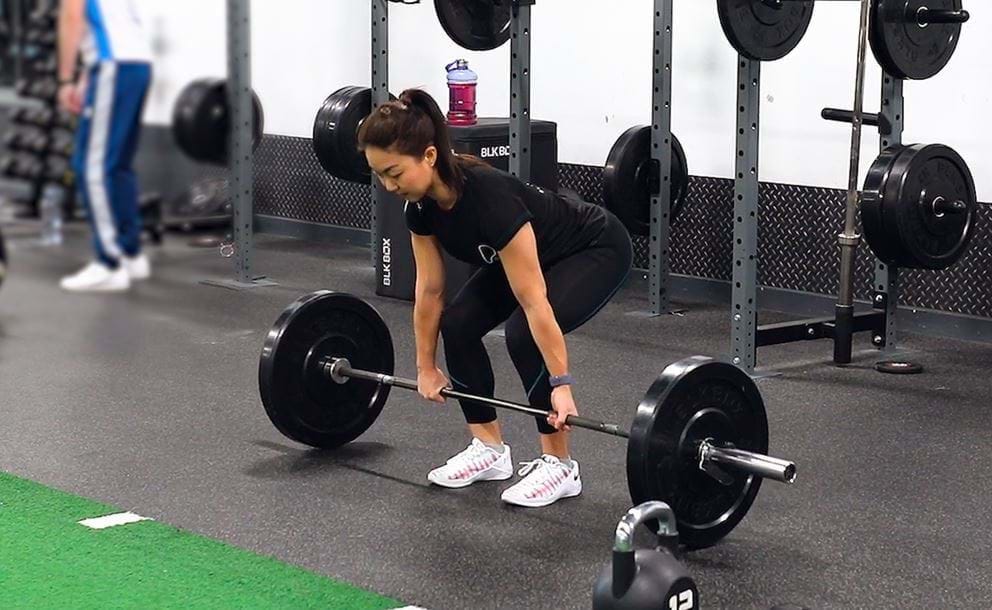
Ready to get back into weight training after a long break?
Whether you took a break because of an injury, a busy schedule, or just needed some time away from the gym, stepping back into strength training can feel like a big moment.
It’s normal to have mixed feelings. Maybe you’re worried you won’t be as strong as before, or maybe you’re tempted to jump right back in and pick up where you left off. Either way, easing in is the key to feeling good and staying injury free.
If you’re ready to get back to strength training, this guide will help you return safely, rebuild your strength, and regain your confidence one workout at a time. And if this is your first time picking up weights, check out our beginner’s guide to weight training.
1. How to Safely Get Back Into Strength Training
Start with lighter weights
After an extended break, it’s completely normal to lose some strength and conditioning—but the good news is that you can rebuild it. Even if it feels like all your previous hard work has disappeared, it hasn’t. If you were lifting consistently before , you’ll likely benefit from muscle memory, which can help you regain strength more quickly.
You might feel tempted to jump right back into your old routine, but it’s important to start at a reduced intensity, especially during the first few weeks. This gives your body time to readjust to lifting and helps you avoid injury. How much you scale back will depend on how long you’ve been away from the gym.
As a general rule, if you’ve taken four weeks or more off from strength training, start your first session at around 50% of your previous loads. Think of this session as a chance to get comfortable in the gym again and practice proper movement patterns—not an opportunity to test your limits. Over the next few days, pay attention to how your body feels and make sure you’re giving yourself enough time to recover.
Easing back in allows you to build strength gradually and consistently, which also helps rebuild confidence and supports the mental side of returning to the gym.
Remember: work at your own pace. Getting back into things faster doesn’t necessarily mean better or more sustainable results.
2. Set clear goals
When you’re returning to strength training, it helps to set specific goals that will keep you motivated and guide your workouts. Whether it’s a performance milestone like hitting a 220-pound back squat, an aesthetic goal like building your back muscles, or simply committing to the gym a certain number of times per week, choose goals that give you purpose—and set realistic timelines for each.
Try not to overwhelm yourself by setting too many goals at once. Focus on a few key priorities and break them into smaller, actionable steps you can work toward each session or each week.
3. Create some structure and plans
Now that you’ve decided on the goals you want to work on, you know your reason to train (i.e. your purpose) and you’re prepared to get back into lifting, it can be helpful to give some structure to your weight training, based around your weekly schedule and needs.
Have a serious think about what commitments you might have (like work), and what your priorities are (such as family time, hobbies), and then factor how you can build your strength training routine into your schedule without missing out on what’s important to you.
We all have different commitments, priorities, wants, and needs in our lives, and these can change across time. What matters is how you fit fitness into your life, not the other way around. If you can only realistically make it to the gym 3 times a week while you used to be able to go 5 times a week – allocate 3 days in your schedule for strength training. Ideally you would want to leave a rest day in between if you can, for example training on Monday, Wednesday and Friday. Having these set days to train, which fit around your schedule, can help you get back into your lifting routine, and you can always adjust if necessary.
4. Focus on quality over quantity
When returning to any type of physical activity, it’s normal to feel highly motivated and ready to do everything at once—which is great! But after a break, your body needs time to adapt again. Pushing too hard, too fast can lead to overtraining, intense DOMS (Delayed Onset Muscle Soreness), or even injury—all things you want to avoid when you’re just getting back into lifting.
Prioritize performing exercises with solid technique instead of focusing on how much weight you’re lifting or how much volume you’re doing. You can always increase the intensity gradually as your body gets stronger and more accustomed to your routine.
Make sure you have a solid warm-up to prep your body for your workout and a cool-down routine to support recovery afterward.
Ready to get started? Find your nearest gym here.