The Ultimate Guide To Push Pull Legs Routine
What Is PPL | Benefits | 3 day split | 5 day split | 6 day split | Exercises | All Levels | Common Mistakes | Progression | FAQs
Push pull legs (often called PPL) training is a classic strength training split that is loved by bodybuilders and gym members all over the world. It's one of the most popular and effective ways to structure strength workouts and remove the guesswork from building muscle.
In this guide, we'll break down how a push pull leg split works, why it's so popular, how to structure a PPL routine, and how to choose the best workouts for your training level.
Quick summary
- A push pull legs routine divides workouts by type of movement
- A PPL split can be run as a 3, 5, or 6-day programme
- PPL optimises muscle development while maximising recovery
- PPL can work for beginners through to advanced lifters
- There are benefits to a long-term push pull legs programme
What is a push pull legs workout split?
Unlike body part splits (where you'd do leg day, chest day, and so on), push pull legs workouts divide your training into three categories based on type of movement:
- Push — chest, shoulders, triceps
- Pull — back, biceps
- Legs — quads, hamstrings, glutes, calves
Instead of training individual muscle groups or doing an upper lower split, PPL allows you to hit muscle groups that you should work out together. Push movements involve pressing away from the body, pull movements involve rowing or pulling towards you, and leg sessions are — as you'd expect — leg exercises.
You might also see it written as pull leg push or legs push pull depending on the order of sessions in the week, but the concept stays the same.
Why PPL is one of the most effective training structures
PPL is a really efficient way to build strength and muscle because of the way it balances training frequency and rest. The best push pull legs routine allows you to work out each muscle group multiple times a week without needing to train the same group two days in a row.
Research has shown that hitting a muscle group around every 72 hours, or 2-3 times a week, provides a more optimal training stimulus for strength and hypertrophy vs training just once a week. That's difficult to achieve under a body part split approach without having to workout more than once a day.
A good push pull legs routine works because it gives every muscle group plenty of volume but still has time for recovery. When you train push muscles, your leg and pull muscles rest - and vice versa. This makes a push pull legs exercise routine ideal for building strength and muscle (hypertrophy)as you can increase training volume without burning out.
How to build a 3 day, 5 day, and 6 day PPL routines
One of the biggest advantages of a push pull legs workout plan is that it works just as well for those who train every other day as it does those who train almost every day.
Here’s how to make PPL work if you train 3, 5, or 6 days a week.
Push pull legs 3 day split
A 3 day PPL split is great for busy weeks or if you're balancing strength training with other exercise, for example running or sports.
Here's an example of how a 3 day split could look across the week:
Monday: push
Tuesday: cardio
Wednesday: pull
Thursday: rest
Friday: legs
Saturday: cardio
Sunday: rest
Push pull legs 5 day split
A push pull legs 5 day split gives you more training volume, and can work well even if you train Monday-Friday. Rather than resetting at the start of each week, keep the session order rolling through to the next week — this spreads the volume of workouts more evenly across time.
Here's an example of how a 5 day PPL split could look:
Week 1
Monday: push
Tuesday: pull
Wednesday: legs
Thursday: push
Friday: pull
Saturday: rest
Sunday: rest
Week 2
Monday: legs
Tuesday: push
Wednesday: pull
Thursday: legs
Friday: push
Saturday: rest
Sunday: rest
Push pull legs 6 day split
A 6-day PPL split is high volume and high frequency, allowing you to hit each muscle group twice per week. It's important to ensure you are getting quality rest and nutrition for adequate recovery. You may choose to make your second session lighter or more focused on accessory movements to prevent overdoing it.
Here's how a 6 day PPL split could look:
Monday: push
Tuesday: pull
Wednesday: legs
Thursday: push
Friday: pull
Saturday: legs
Sunday: rest
The best exercises for push, pull, and leg days
For the greatest gains, choose compound legs push pull exercises as the basis of your workouts and then add your favourite accessory exercises. Compound exercises work multiple muscle groups at once, allowing you to hit each muscle multiple times in the same workout and expose them to greater volume and load.
Here are some of the best exercises to include in your PPL workouts.
Push day exercises
Pull day exercises
Leg day exercises
You don't need to be a gym goer to do a PPL workout routine. If you train at home, you can use dumbbells, resistance bands, or bodyweight movements to target these muscle splits, for example:
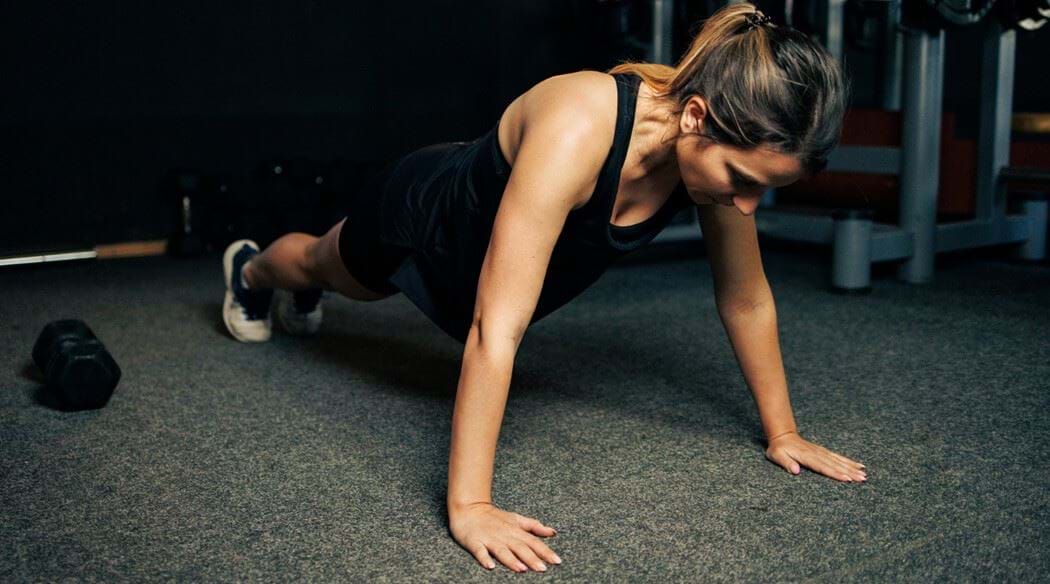
Push exercises: push ups, tricep dips, pike press ups
Pull exercises: resistance band rows, supermans, dumbbell bicep curls
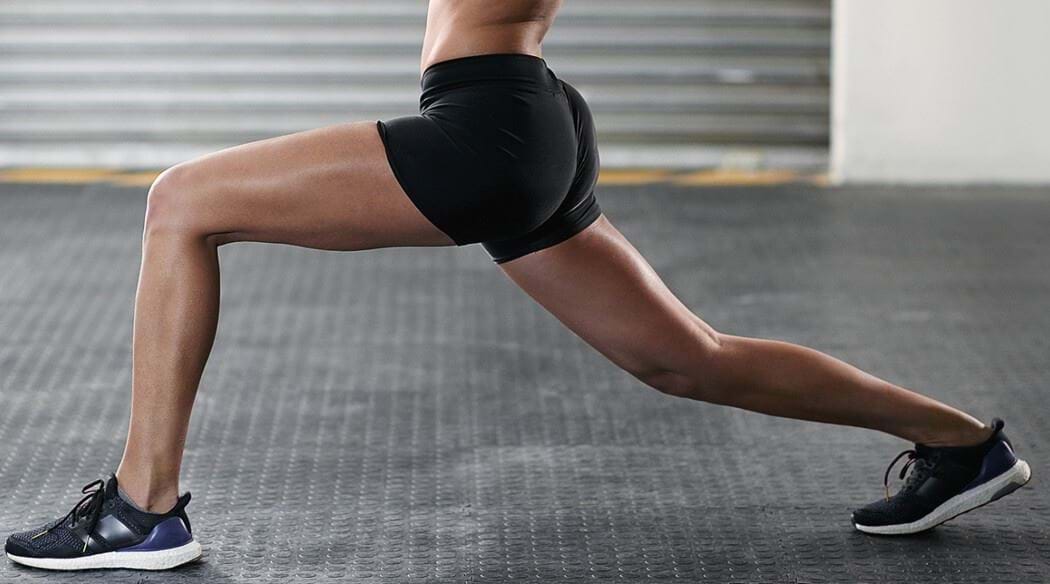
Legs: lunges, dumbbell hip thrusts, resistance band RDLs
How to adapt PPL for different experience levels
One of the benefits of a push pull legs routine is that it can work for everyone, no matter what fitness experience you have.
Beginners
Begin with a push pull legs 3 days split to allow for a moderate volume and plenty of recovery while you build up your strength and endurance. In each workout, include 2-3 compound exercises and 1-3 accessory exercises, making sure to focus on technique for each set.
Intermediate
Increase training frequency to a 5-day structure and track your weights to make sure you are including progressive overload. Keep the focus on compound exercises with accessories to support.
Advanced
A push pull legs programme run as a 6-day split allows you to increase volume and intensity and have a greater exercise selection for continued growth.
Common mistakes that stall progress on a PPL plan
Even the best push pull legs routine will stop working after a while if the fundamentals are missing. Here are some common mistakes that can prevent progress.
Neglecting recovery: Rest and recovery is a crucial part of any gym plan, but particularly so for high volume routines like a 5 and 6 day PPL split. Make sure you are consistently getting 7-8 hours sleep and are eating enough calories and nutrients for your body to repair and build muscle.
Not training at the right intensity: Getting the right intensity for growth without overdoing it can be a tricky balance to find. Training too hard can lead to burning out while not training hard enough will prevent you progressing. Aim to train close to failure and increase by around 10% each week, listening to your body when you might need to scale back or take a break.
Prioritising accessory exercises: It can be tempting to go hard on exercises like bicep curls but doing so can stall your progress. Prioritise compound exercises and place these at the beginning of your workout, using isolation exercises later to support.
Lack of variety: Following the same routine for a period of time is the best way to progress but that doesn't mean you need to stick with the same few exercises. If you're doing more than one push pull legs workout a week, programme in different exercises for each workout so you can hit the muscles in different ways and stimulate more growth.
How to track progress and when to change your routine
Tracking is a great way to get the most from your push pull legs workout routine. Noting down your sets, reps, and weights each week is the easiest way to ensure you are progressing over time. It can also highlight if you’re plateauing or even losing progress, a sign that you should take a deload week or adjust your push pull legs training!
It’s recommended to follow the same PPL split programme for at least 8-12 weeks before making significant changes. During this time you can work on increasing volume or load, but keep the exercises the same. Once it’s been 2-3 months you can assess your progress and adjust the exercises or volume if needed.
Push pull legs training FAQs
Including cardio in your training is important for overall health but this needs to be balanced with rest. If you’re doing a 3 day PPL split, doing cardio on some of your rest days is fine. For a 5 or 6 day PPL split, it might be more beneficial to do 10-15 minutes of cardio after some of your workouts and use your rest days for recovery.
A push pull legs split is great for building both muscle size and strength because it prioritises compound lifts and hits muscle groups twice a week which is optimal for both.
Yes. A modified push pull legs exercise routine using dumbbells, bands, or bodyweight is a great way to train at home.
Not sure if a push pull legs split is right for you? Check out our guide to upper lower split workouts here, or our comprehensive guide to different training splits here.
For help with training, book a session with one of our Personal Trainers who can help you get started. Find your nearest PureGym today.
Related Articles