How to Safely Exercise While Breastfeeding: A Guide for New Mums

Is It Safe | Benefits | Cardio | Strength Training | Best Workouts | Milk Supply | Tips | Timing | Pelvic Floor | Clothing | FAQs
As a new mum, you're trying to juggle so many things, including what's best for you as well as your baby. Navigating postpartum exercise can feel daunting, but even more so if you're breastfeeding. Exercise has some incredible benefits for new mums, from helping with sleep and energy levels to recovering the abdominal muscles affected by pregnancy.
We've asked Pre And Post Natal Certified PT Tenzin Harley to share everything you need to know about exercise and breastfeeding, including the best exercise for breastfeeding mums
Quick Summary
- Exercise when breastfeeding is safe once you've had medical clearance.
- Strength training supports recovery and rebuilds core and pelvic floor.
- The best exercise while breastfeeding is light, low-impact and gradual.
- Fuel and hydrate to manage energy levels for workouts and breastfeeding.
Is it safe to work out while breastfeeding?
In most cases, exercise when breastfeeding is perfectly safe. You will need to wait until you're cleared by a nurse or medical professional to exercise, which is around six weeks but may be longer after a C section.
Once you've been cleared to exercise, take it easy - even if you trained beforehand. Start with gentle movement like walking, light training, and pelvic floor and core exercises. Most mums can safely start strength training while breastfeeding, focusing on light loads and controlled movements at first and building this up to more challenging workouts.
Benefits of exercising during the breastfeeding period
So, it’s safe to do, but is exercise good for breastfeeding mothers?
Training during the postpartum months has a lot of physical and mental benefits. It can support your mood, self-confidence, and wellbeing during what can be a challenging period, while helping to rebuild the strength needed to make life easier as a new mum.
Here are seven benefits of exercise as a new mum:
- Increased energy. Exercise boosts mental and physical energy, something that new parents need plenty of!
- Improved posture. Exercise can help with posture and can help with back and shoulder pain new mums can experience from breastfeeding and carrying their baby.
- Rebuilding strength. Even if you trained during pregnancy, it's normal to lose strength -- especially in the core muscles. Training can help to rebuild lost strength and prevent injuries further down the line.
- Better sleep quality. Although training won't stop you from needing to feed and change your baby through the night, it can make it easier to wind down and get better sleep when you do have the time.
- Improves mental and emotional wellbeing. Exercising boosts your mood and studies have found it can even help with post-natal depression.
- Increases self-confidence. Some new mums struggle with self confidence due to a combination of their body, lifestyle, and hormones changing. Training is a great way to increase your self confidence as you can see and feel your body getting stronger.
- Social opportunities. Working out can be a good way to get out of the house and spend time with friends or even make new ones.
How to start strength training or cardio while nursing
Although it is generally safe to work out when breastfeeding, you shouldn’t just jump straight into your pre-pregnancy exercise routine or working out seven days a week. Start gradually and progress slowly, making sure to listen to your body. If you are able to, working with a Pre And Post Natal certified PT is a great option; many will have online programmes or videos to follow at home. Whatever you choose to do, build up slowly, and stop any movement that causes pelvic pressure, pain, or leaks.
Cardio
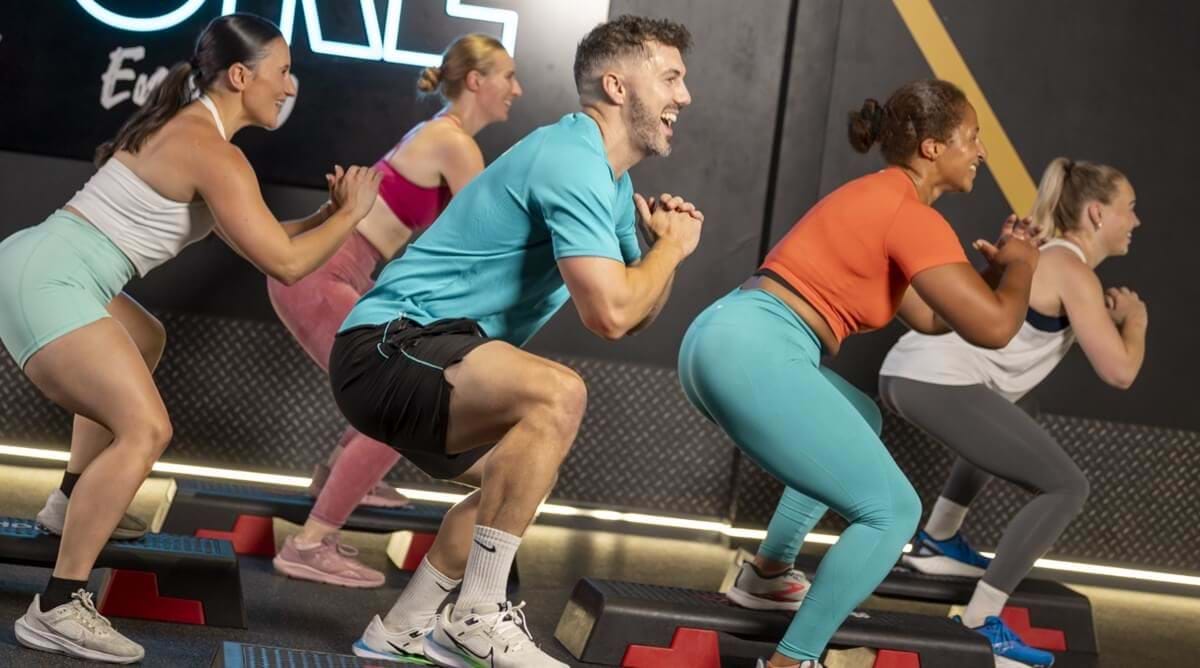
Start with low intensity sessions to build up your stamina and cardio fitness: walking and swimming are great, low impact options. As your fitness and confidence builds, you can progress to short but moderate intensity cardio sessions. Low impact circuits can be a good way of introducing cardio back into your routine, just be sure to keep the intensity manageable.
Strength training
Ease back in with bodyweight exercises like glute bridges, squats, wall press ups, and tricep dips, as well as postpartum safe core strengthening exercises. These movements are ideal for a gentle workout breastfeeding routine. As your strength builds, progress to light weights and resistance band work and continue to increase the intensity and weights as you get stronger
Best types of exercise for breastfeeding mums
There isn't a single best exercise for new mums, but some movements are especially effective and comfortable in those early months.
Here are some beginner-friendly options you can try:
- Walking outdoors or incline treadmill
- Low-impact circuits
- Light kettlebell exercises
- Seated or supported strength moves
- Postnatal Pilates
- Swimming (once fully healed)
These make excellent breastfeeding exercise choices and can easily be adapted as your fitness improves.
How exercise can (and can’t) affect milk supply
A common worry that mums often have is can exercise affect breastfeeding. While it is an understandable concern, all the research suggests that moderate exercise does not reduce your normal supply, and high-intensity sessions also don’t decrease milk supply unless you combine HIIT with other stresses like under-eating, dehydration, or exhaustion that goes beyond expected levels for a new parent.
Tips for managing energy, hydration, and nutrition while working out
While exercising doesn't automatically affect milk supply, it's important to know that your caloric needs are elevated during breastfeeding as it is energy intensive. You also need to drink more water to prevent dehydration as your body uses water to create the milk.
You'll need to make sure you're eating enough to sustain your everyday needs, support milk production, and provide enough energy to work out. Fatigue is common postpartum, so listen to your body and adjust workout intensity accordingly.
Some tips to help with energy and hydration levels are:
- Keep a water bottle with you and sip regularly, even if you don't feel thirsty.
- Eat regular meals and snacks to prevent energy dips, including a mix of proteins, fats, and carbs.
- Choose quick-release carbs up to minutes before training, or slow release carbs if you are eating earlier. Get energy boosting food ideas here.
- Rest when tired - not every day needs to be high intensity.
Can I have pre-workout while breastfeeding?
If you used to use pre-workouts for an energy boost before your pregnancy, you might find yourself drawn to them again. Many pre-workouts contain caffeine or stimulants, so choose breastfeeding-safe alternatives without caffeine whilst you’re still feeding. The best pre-workout for breastfeeding mums is often a simple carb snack like fruit and yoghurt and hydration boosters like caffeine-free electrolytes.
When to schedule workouts around breastfeeding or pumping
Training naturally feels more comfortable when your breasts aren’t full, and many mums find it easiest to workout just after feeding or pumping, or at a time where you can easily stop if you need to. That said, research suggests that breastfeeding after exercise is fine and won’t reduce your supply. See what works best for you and your baby, even if that looks different each day.
Core and pelvic floor considerations postpartum
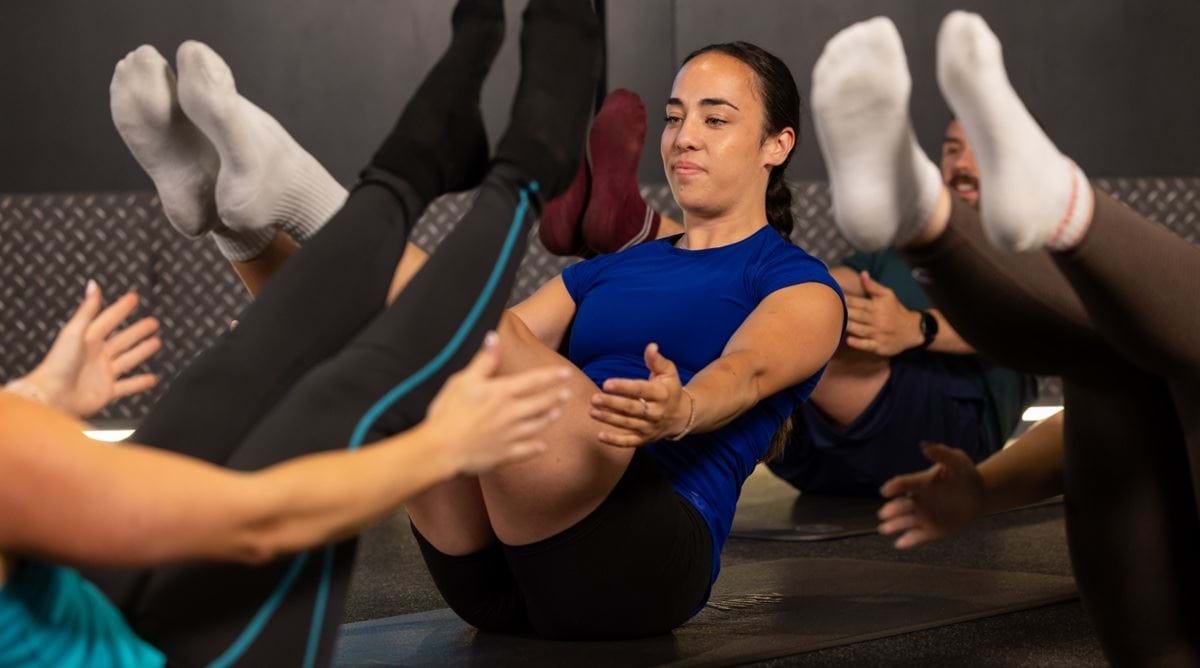
Regardless of the type of training you did before you had your baby, it’s really important to let pelvic floor and core considerations guide your exercise choices now. In the early post-partum period, include kegels, bridges, dead bugs, and exercises like slow-supported squats. Avoid any movements that cause doming or bulging of the abdomen (such as sit ups and toe touches), leaking, or any pain or sensation that makes you feel unsure. If in any doubt, get advice from a women’s health physio.
What to wear: supportive gear and nursing-friendly workout clothes
Your breasts can feel sore when breastfeeding and some people experience discomfort when exercising as a result. A high-support sports bra that fits well and prevents excess movement will help to keep you comfortable while working out, while breastfeeding-friendly bras and tops can be useful if you think you’ll need to feed during or straight after training.
Layering up moisture-wicking fabrics will help you regulate your temperature during your workout. Choose clothes that fit your current body, and avoid any clothing that puts pressure on the ribs, belly, and around your scar if you had a C-section.
Can I workout while breastfeeding: FAQs
While breastfeeding burns a lot of calories, it isn’t a workout and doesn’t offer the same health benefits as exercise.
Some pre-workouts are safe to be taken while breastfeeding, but many contain high amounts of caffeine and other stimulants so it’s important to check the label of pre-workouts. A small amount of caffeine can be safe while breastfeeding but caffeine pre-workouts are likely higher than this. If you feel you need a caffeine boost, coffee may be more suitable.
Most mums prefer pumping or feeding before working out for comfort, but both options are safe and won’t affect your supply.
After very intense workouts, lactic acid may slightly alter your milk’s taste, but it doesn’t harm your baby and most babies don’t notice.
Most mums can start gentle movement at six weeks, or later after a C-section. Always follow medical clearance and ask your GP or health visitor if you’re not sure.
Gradual weight loss won’t affect your milk supply. Very rapid dieting or overtraining may reduce it, so be sure to balance the extra energy needs to support your body’s efforts.
Ready to start your postnatal fitness journey?
If you'd like a postnatal-friendly plan, book a session with one of our expert PureGym Personal Trainers. Find your nearest PureGym and start moving in a way that supports your body as a mum.
Related Articles