Strength Training for Lower Back Pain: Safe Workouts That Support Recovery

Causes | Why Strength Train | Safety | Types Of Training | Best Strength Exercises | Upper Body Training | What To Avoid | Modifications | Post-Injury | Sample Workout | FAQs
If you suffer with lower back pain, you're not alone; our 2026 PureGym Fitness Report has found almost two thirds (63%) of adults say they struggle with this.
Ongoing back pain is one of the most common reasons people stop training, but this is actually one of the worst things you can do. Studies have found back pain is often caused by weak and imbalanced muscles, and strength training has been shown to reduce lower back pain by addressing these issues.
We asked Viktoriya Karmadzhieva, Personal Trainer and specialist in Exercise GP Referral at PureGym London Hayes, to explain how to use resistance training for lower back pain.
Quick Summary
Strength training for bad back pain helps by building up stabilising muscles.
Targeting the core, glutes, and hips builds support around the lumbar spine.
Lifting weights with a bad back is safe if you use light loads and good technique.
Avoid heavy barbell work, deep spinal flexion, and high-impact exercises.
Bodyweight movements, dumbbells and gym machines are good choices.
How weak muscles cause lower back pain
When you are sat down, the glutes and core are stuck in a ‘switched off’ position. Prolonged periods of sitting, for example working in an office job, cause these muscles to weaken and be unable to engage correctly.
Weak muscles, particularly the glutes, core, and pelvis, are one of the most common causes of chronic back pain. When these muscles are too weak to support and stabilise the spine, the lower back muscles are forced to take over. Over time, the back muscles become stiff, tight, and prone to strains due to being overworked.
How strength training can help relieve lower back pain
Back pain and weightlifting is one of the best long-term solutions if you have the right guidance.
While treatments like stretching, compression, and heat can help to relieve back pain in the short term, strength training bad back protocols target the root causes of chronic back pain by strengthening weak muscles and reducing imbalances to prevent this cycle of overuse.
When the core, glutes, and deep spinal muscles are stronger, they take the pressure off the lower back and help the body move more efficiently.
How to lift safely with a bad back
If you suffer with chronic back pain, the last thing you want to do is aggravate the issue. This leads to some people avoiding the gym for fear of worsening the pain.
Lifting weights with a bad back is safe when exercises are performed with the correct technique, and choosing the right exercises can improve your back pain over time. Here are some tips to help with safe back pain weightlifting.
Warm up thoroughly. Warm muscles are more pliable and engaged, and less prone to injury. Warm up before your workouts with cat-cows, glute activation work, and mobility movements.
Keep a neutral spine. Avoid excessive rounding or arching in the back when performing lifts. You can reduce range of movement if necessary while building up the strength and stability needed to keep a neutral spine.
Engage your core. Purposely engage the core muscles before lifting to stabilise the spine and prevent the back muscles from overcompensating.
Start light. Start with bodyweight or light weights to ensure you have good technique and are engaging the correct muscles. As you get stronger, you can increase the weights.
Move with control. Slow down your lifts to ensure you are using control and strength to move the weight, rather than momentum or incorrect muscles.
Use support. If you struggle to keep the core stabilised during lifts, use chest and back supported exercises or gym resistance machines to provide the support while you build strength.
Best types of resistance training for lower back support
Bodyweight exercises. If you'renew to working out, bodyweight movements like glute bridges, bird-dogs, and squats can help to build a base level of strength and stability and begin to combat back pain.
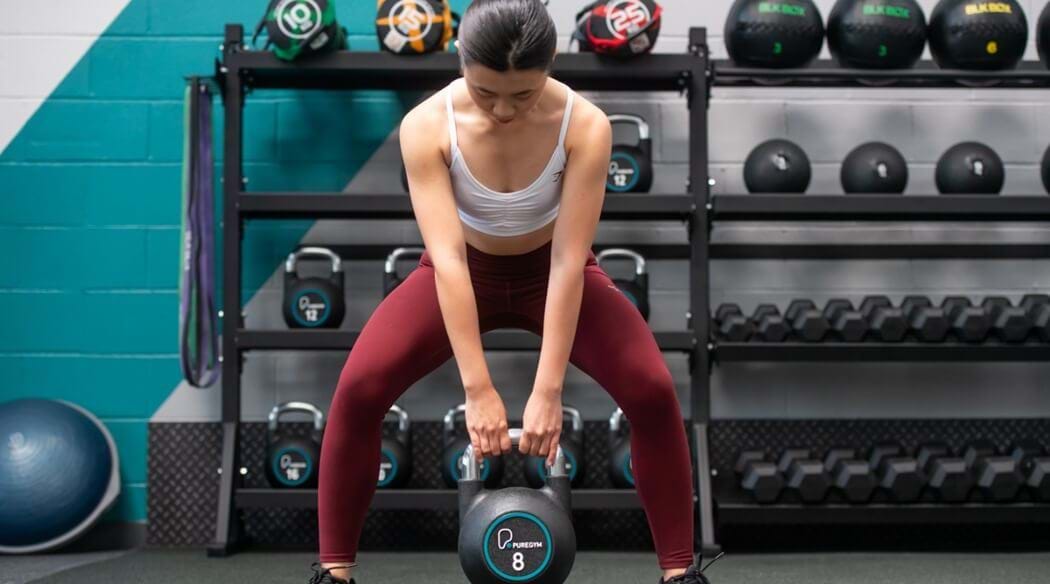
Dumbbell and kettlebell exercises. Dumbbells and kettlebells allow you to start at low weights and build strength up over time. They also put less pressure on the spine compared to barbells in exercises like squats.
Gym machine exercises. Gym machines stabilise the torso, allowing you to build strength while reducing pressure on the lumbar spine.
Top strength exercises to support the lower back
Choosing the right weight training exercises for lower back pain is key for safe and effective workouts. Here are some of the best weightlifting exercises and resistance exercises for lower back pain:
Glute bridges. Glute bridges activate the glutes and unload the spine. Focus on engaging the core to keep a neutral spine and using the glutes to raise your hips. This can be done without weights, or placing a dumbbell, kettlebell or barbell across the hips.
Bird dogs. Bird dogs strengthen the core muscles and improve spinal stability, meaning your back muscles don't have to work as hard day to day.
Dead bugs. Deadbugs work similarly to bird dogs and improve core stability. The floor can help to create a physical cue for keeping the spine in a neutral position.
Goblet squats. Goblet squats strengthen the legs and glutes. This variation makes it easier to keep an upright torso compared to barbell squats.
Romanian deadlifts. RDLs strengthen the posterior chain, particularly the glutes, and teach correct hip hinge mechanics. Start with bodyweight or light weights to prevent the back muscles from taking over.
Back extensions. Back extensions and Supermans strengthen the spinal erectors so they can handle more load safely. Perform these slow and with control and start with partial reps before increasing the range.
Side planks. The side plank develops lateral core stability and engagement.
Clamshells. Clamshells target the glute medius and help to stabilise the pelvis and hips.
Banded walks. Banded walks also work the glute medius and strengthen hip abduction.
Upper body workouts that don’t stress the lower back
It's important to train all muscle groups in your workouts, not just those that will help with back pain, to avoid creating new muscle imbalances. Many of the exercises above target the lower body and core, but you'll also need to train the upper body.
Some upper body movements like unsupported rows and overhead presses can put excess strain on the spine. When doing an upper body workout with lower back pain, avoid these and choose alternatives like upright seated dumbbell presses, chest-supported rows, cable face pulls, and anything done on an upright bench.
Exercise habits that can worsen back pain
Strength training can be one of the best things to do for lower back pain, but it can make symptoms worse when choosing the wrong exercises.
Avoid heavy barbell deadlifts, back squats, and overhead presses, and be careful not to lean back when doing overhead presses as it can cause the back to overarch.
Also avoid high impact movements like jumping and skipping, deep spinal flexion exercises like sit ups and toe touches, and fast or loaded rotations like Russian twists.
7 Tips for modifying weight training routines with back issues
As strength training improves your back pain, you’ll be able to progress the exercises and workouts you do. While you still experience back pain, here are some ways to modify your training:
Reduce the load and slow your reps.
Shorten your range of motion if you feel your back arching or rounding excessively.
Gym machines and upright benches provide support.
Try one-arm dumbbell variations to reduce spinal load.
Train more frequently but with shorter sessions.
Replace barbell with kettlebell or dumbbell alternatives.
Prioritise glute activation work every session.
When is it safe to return to weightlifting after injury?
If you’ve got over your back pain and want to get back into the gym, you might feel nervous about training again. The good news is that most people can return to weightlifting to help lower back pain once the movement feels comfortable with bodyweight. If walking and other daily tasks are pain-free, try using light weights. If you’re unsure, speak to a GP, physiotherapist, or PT.
Beginner-friendly strength routine for back pain relief
Warm-Up (5 minutes):
Cat-cow × 10
Glute band walks × 20 steps
Hip hinge drill × 10
Main workout:
Glute bridge – 3 × 12
Bird-dog – 3 × 10 each side
Goblet squat – 3 × 10
Romanian deadlift (light dumbbells or kettlebells) – 3 × 10
Side plank – 3 × 20–30 seconds each side
Back extension – 3 × 12
Cool down:
Hip flexor stretch – 30–40 seconds
Hamstring stretch – 30–40 seconds
FAQs
Yes, but focus on low-impact strength work. Avoid heavy loading and stop if symptoms worsen.
Belts can provide support during heavy lifts, but they don’t fix the underlying cause of pain. Focus on improving core strength and technique first.
If you're dealing with back pain, the right strength training can make a huge difference. For personalised guidance, form checks, and a tailored programme, book a session with one of our Personal Trainers. Find your nearest gym and start your journey to a stronger, healthier back today.
Related Articles